

Meet Miguel
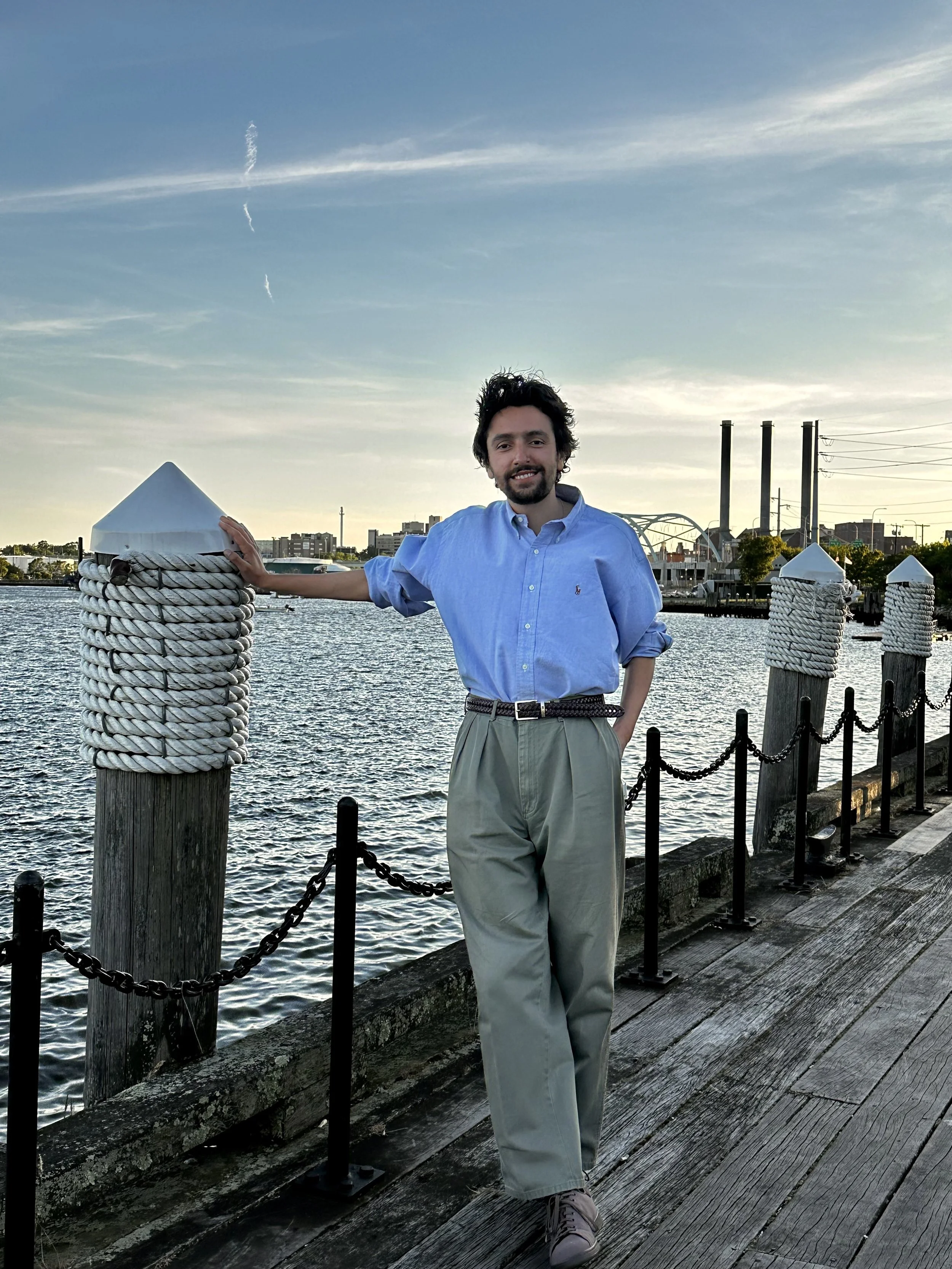
Dear Neighbor,
I believe community is built one practical step at a time, not by the loudest people, but by the people who show up. That’s how I was raised. My mother Marta, the daughter of Mexican immigrants, has devoted her career to advocating for Latino culture and immigrant communities across Rhode Island. My father Patrick has spent his career, case by case, as a prosecutor in the Attorney General's office. They met as students at Providence College. From them I learned that you do not work for recognition - you work hard, day after day, to make things better for the people around you.
That’s why I am running for Providence City Council in Ward 1. I’m writing to introduce myself and start a conversation with you about our great city.
Here’s what’s at stake in this race: our ward deserves a city councilor who can build coalitions to make life better for everyday residents—even when it means standing up to powerful insiders and corporations, and even when the cameras aren’t rolling.
I am a lifelong Rhode Islander. I went to public schools here, and paid my way through Rhode Island College with hot dogs. If you came to a PawSox game at McCoy between 2010 and 2015, there’s a good chance I made your hot dog. I made more than 10,000 dogs a summer and put in enough hours to cover my tuition.
After college I worked for cultural organizations in Ward 1. I spent seven years at the Providence Performing Arts Center, starting by mopping floors and cleaning bathrooms, working my way up while holding two other jobs — at Trinity Rep and at the front desk of the Rhode Island Historical Society (RIHS) on the corner of Hope and Power. I spent years moving between apartments, always chasing rent I could afford. Neighbors might recognize me as a regular on RIPTA’s 92 or from zipping across town on my bike.
At the Historical Society, I spent long hours helping researchers, pulling microfilm, and reading. I published two essays for RIHS — one on Cape Verdean immigration to Fox Point and one on the displacement of the East Side’s Black community, a wound that still scars our city today. Learning where our city came from made it home.
With the pandemic, PPAC went dark and so did my job. That week I got two offers: a job as a foreman at Venda's ravioli factory and a full fellowship for a master's degree in economics at George Mason. One was a good paycheck. The other was a chance to understand the data behind the community issues I care about. I took the fellowship.
My first real interaction with the city council was asking the council president to oppose a tax break for a West End development. I’d spent years organizing from the outside — door-knocking, testifying at the State House, working alongside local advocates. I learned a lot, but I kept wondering: could we create city policy that proactively helped people, instead of reacting after decisions were made? Could I do more good on the inside?
For three and a half years I served in the policy office of the Providence City Council — researching and writing ordinances, analyzing contracts before votes, staffing three budget cycles, attending hundreds of committee meetings, and working alongside all 15 councilors through real disagreements and competing priorities.
The crises we face cannot be solved by any one person alone. We have to bring experts together, listen to residents, build consensus, and do the careful work of turning good ideas into sound policy. I have always brought that collaborative approach to my work. I led the research that helped make Providence one of the first cities in the nation to ban rent-setting algorithms, and saw it enforced when a big downtown landlord tried to push a 44% rent increase on tenants. But that ordinance did not appear overnight -- it grew from nearly two years of research by the Council's Housing Crisis Task Force. I served as the primary author of the task force’s final report, which became the blueprint for many Council initiatives: recommending new investment in the Affordable Housing Trust Fund, advancing thoughtful density through the Comprehensive Plan, laying the groundwork for Providence's ban on rentsetting algorithms, and proposing rent stabilization a full year before legislation was ever filed. The best public policy is rarely the fastest -- it is researched, debated in public, and refined by many voices.
YOU CAN COUNT ON ME TO:
Stand up for residents over insiders and corporations
Fight for affordable housing – for renters and homeowners
Show up, report back and be honest
Be clear about the city’s financial future and the choices we face
Invest in infrastructure and climate resilience
That same collaborative approach has shaped my work across city government. I helped draft ordinances to protect historic districts, thoughtfully regulate cannabis retail, and preserve land for housing and neighborhood businesses by limiting self-storage facilities. I staffed the special commission that studied the city's waste management contract, working alongside City Councilors and the Mayor's team. Across every issue, I listened to community stakeholders, councilors, city staff, and experts to build consensus and turn ideas into practical policy. This is the detail, negotiation, and coalition building the public rarely sees—but it is the work I've been doing, and the work I'll continue to do.
When I’m not working, I spend time with communities that matter to me. I’m a member of Saint Joseph Church on Hope Street, where you’ll find me most Sunday mornings in a pew on the right side. I grew up Catholic, served as an altar boy, and then, like a lot of young people, drifted away from church. My grandmother brought me back. When I lost my grandfather and my uncle to COVID, everything was remote, so I lived in El Paso for a few months to support my grandmother in her grief. I accompanied her to her small parish church every Sunday. Watching her faith carry her brought me back to mine. When she died in 2024, her funeral gathered our family together in a way I won’t forget, and I recommitted to being in a faith community at home.
I’ve served on the board of Stages of Freedom for nearly a decade — a Ward 1 organization that celebrates Black Rhode Island heritage, provides free swimming lessons to Black kids, and runs mentoring programs.
I’m also part of a chess community. I started playing at seven, started competitive tournaments as a teenager, and I’m still a U.S. Chess Federation member today. Two years ago I founded the Providence Gambit Chess Club, after a few years of giving lessons in Providence schools. The name is an homage to a club that met on Empire Street in the 1960s. Chess is mental exercise that teaches you to think carefully before you act. We’ve had school kids and 80-year-olds playing at our club. I love it.
I want to serve Ward 1. For me, it’s not about the title, it’s about the practical work of listening, showing up, taking a stand and moving things forward.
I believe that every resident deserves a voice. I’ve helped organize public hearings on city ordinances and testimony at the State House. I’ve given civics lessons to local college and high school students. Every elected official should be transparent and invite the public to participate in their government.
Right now, you or someone you hold close is carrying a heavy load. Daily life is more expensive for every family. We are the least affordable city in America for renters, and we have the fastest-growing rate of homelessness in the country. I remember when rents in our neighborhood were $800; they are now more than $2,000. So much city property is held by tax-exempt institutions, so ordinary residents and small property owners carry a disproportionate burden. 8 The city’s finances remain fragile and will require honesty and discipline in the years ahead.
Ward 1 deserves a councilor who can bring us together, stand up to powerful interests, and put substance first. I’m ready to do the work of building coalitions that last beyond any one moment or headline. I would be honored to have your vote in the Democratic primary on Wednesday, September 9th.
I’ll be knocking on doors to listen to your ideas, concerns, and hopes for our future. I look forward to speaking with you.
Sincerely,
Miguel Martínez Youngs